Leasehold vs. freehold in central London explained: what buyers need to understand
While buying in one of the world’s most thrilling cities is an exciting business, there are important legal and financial elements to mull over before you move in. One key consideration is whether your proposed home-to-be is leasehold or freehold, and it will have a big impact on your rights, responsibilities and future expenses.
What are the differences between them?
When you purchase a freehold property, you become the outright owner of the building and the land on which it stands, for as long as you decide to keep it. This also means that responsibility for upkeep of both the property and any associated land is entirely yours.
There are no ground rent or service charge fees. Plus you can alter your home as you wish, subject to planning rules and building regulations. This gives you greater control over your home, making it potentially a better long-term investment opportunity, although you will have total responsibility for upkeep for as long as you retain the freehold.
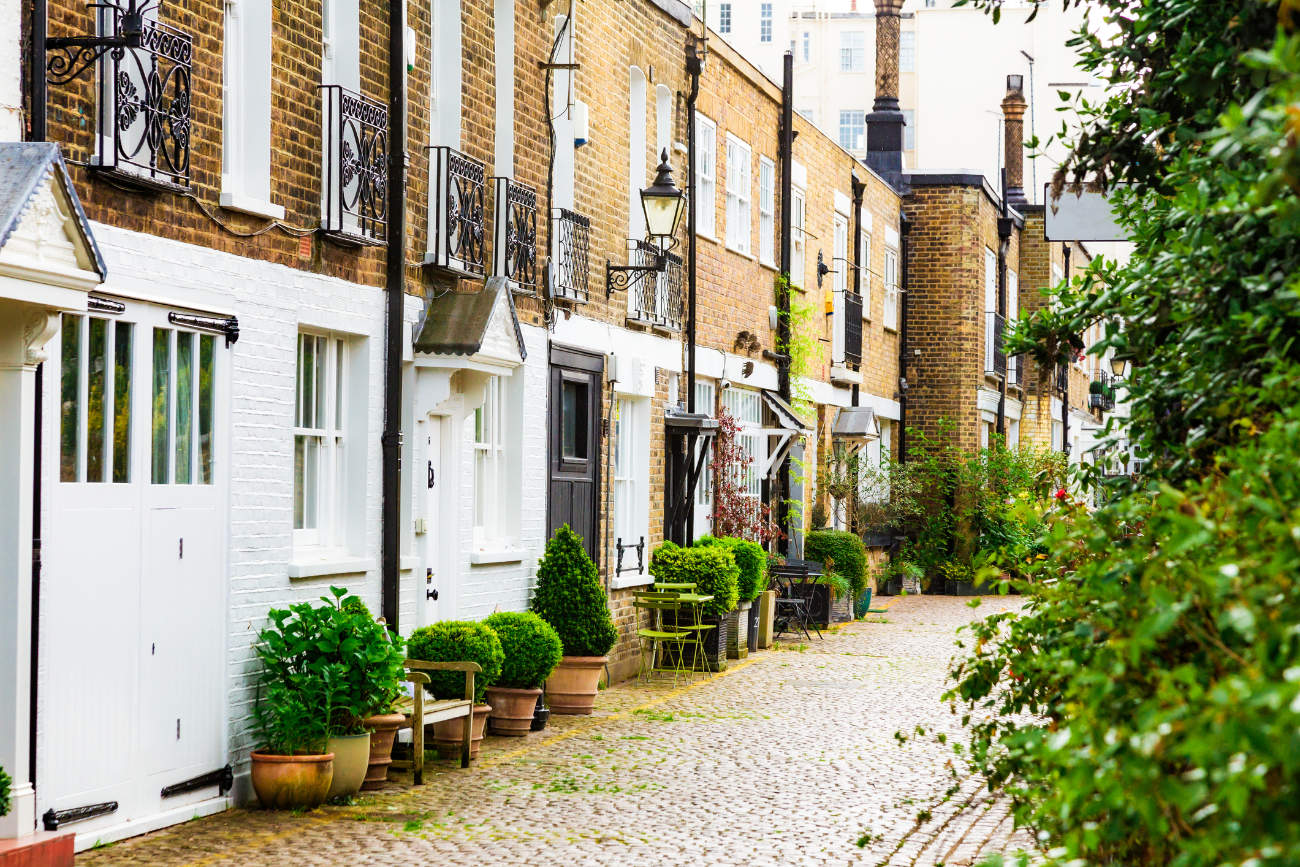
In residential, suburban areas of the capital, this will typically be the more usual arrangement. However, in central London, many properties, especially flats, are leasehold. New-build flats, for example, will almost always be leasehold, albeit often with a nominal or peppercorn rent following recent system reforms. In places like riverside developments, warehouse conversions and modern complexes particularly, again much of the housing stock is leasehold. But some freehold places, especially terraces and period townhouses, do come on to the market, and are highly sought-after.
Under a leasehold agreement, the owner has the property for the life of the lease, but not the ground on which it stands. This, and the building, are owned by the freeholder, which might be a landlord, management company or developer. They take care of maintenance of communal areas, the structure of the building and any shared services.
Particularly for high-rise apartments or period conversions, leasehold is the most common arrangement.
The lease outlines the length of your ownership of the place, which could be anywhere between 99 and 999 years at the time of the sale. Generally, you have to pay the freeholder ground rent and service charges, and may need to request permission before making some alterations or subletting, plus these things may incur extra fees. So there can be restrictions on how you use your property.
When the lease expires, the freeholder retains ownership unless you buy the freehold or extend the lease. So length of lease is hugely important. Once there is less than 80 years to run, a property’s value can start to dip, while extending the lease becomes costlier.
In London, particularly with older blocks and period conversions, there are more shorter leases around than you may have realised, so it’s something to assess before you commit.
For its part, leasehold can offer low maintenance duties, plus access to shared facilities from gardens to gyms or concierge services.
Tips for buying leasehold in central London
1.) Generally, you have the right to buy the freehold, also called freehold enfranchisement. You and others can buy the freehold from the owner if you meet certain legal criteria. Equally, you can extend your lease, and the government removed a requirement to have owned the property for a couple of years before doing either earlier in 2025.
2.) Check lease length early on and seek specialist advice from a solicitor specialising in London leasehold transactions.
3.) Understand service charges and what you’re paying for and budget for ground rent.
4.) Appreciate any restrictions – for example on pet ownership or subletting.
In summary, deciding whether to live in a leasehold or freehold place boils down to lifestyle choices and long-term aims. A well-managed leasehold home could be perfect if you’re after low-maintenance lifestyle with access to communal facilities. For maximum control and investment security, freehold could be better option.
Leasehold reform on the way
A government white paper from March 2025 plans to overhaul the leasehold system, and ban new leasehold flats and ground rent altogether, while making commonhold the default tenure. These proposals built on the 2024 Leasehold and Freehold Reform Act, passed by the previous government.
However, progress has stalled, and much of the legislation remains unimplemented. A consultation with leaseholders, freeholders and others closed at the end of September.
Central London properties with McGlashans Property Services
At family-run McGlashans Property Services, we’ve specialised in both freehold and leasehold premier central London properties since the late 1980s. Our core values are based on honesty, integrity and trust; we also provide a highly personalised service. Plus we understand freehold and leasehold, and the pros and cons of each within our market, really well.
Get in touch for a chat about sales, lettings and block management today.
Timeless, luxury interiors from London’s home furnishing experts.
Creating beautifully furnished homes in the style of your choice.
We specialize in creating beautiful comfortable homes with bespoke furniture that is available for sale or hire with immediate delivery.
Find out more
How Much is Your Property Worth?
Not sure how much your property is worth? Request a free, no obligation valuation for your Central London property.
Book a valuation